In Part 1 of this article series, I spoke of the praises of walking and how important it is for your overall health and well-being. The benefits of walking are vast, but is walking alone, as your primary form of activity as you age enough?

I say NO! Here’s why.
Why Walking Alone Won’t Cut It!
I hear things like this from mature adults all the time: “Oh, I just walk,” or “Yeah, I go to the gym, but I only do cardio.”

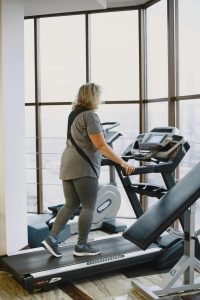
I have no problem with someone getting on the elliptical trainer or the stationary bike to get in some aerobic training. It’s a great option, and very helpful to have when the weather outside is frightful.
Problem #1:
Most people who “just walk” or use cardio machines tend to do it at very low intensity levels. (not that there’s anything wrong with that), It’s just that it’s not enough.
When most people say “cardio” (exercise that conditions the heart and lungs), they are really referring to “aerobic exercise”.

What’s the difference?
One of the problems with using walking as your sole form of cardiovascular activity is that it simply is just not intense enough to induce what is known as a training response. In most cases, even if you’re out of shape to begin with, your body will quickly adapt to your walking routine and will require a greater challenge to reap the most benefits.
So, all exercise is cardio, but not all cardio is aerobic. Aerobic exercises primarily use oxygen as the source to adequately meet the energy demands of the exercise. It gets you breathing, but not out of breath. And some scientists say that this type of cardio should make up 80% of your training time.
But to increase caloric burn after the exercise has stopped, and increase your VO2 Max (the amount of oxygen your body consumes while it’s exercising), you need to do some interval-style training.

If you’re not bent over, it’s not hard enough.
Interval training simply means you are pairing periods of higher intensity with periods of lower intensity or complete rest. The periods of higher intensity should get you “out of breath”. It doesn’t have to be for long. It can be anywhere from 10 – 30 seconds, but the goal is to get you to huff and puff, then recover. This type of training will improve aerobic capacity faster than steady-state- state aerobics alone, and it burns more calories after the activity is over, as well as helping to maintain lean muscle mass. Yes, I know it’s uncomfortable, but everything that makes you grow is.
Another benefit to interval training is that your body will continue to burn calories AFTER the activity is over. This is not something you will see on your smart watch.
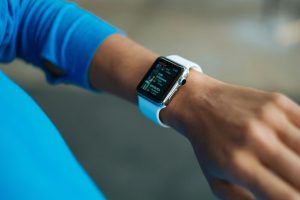
This kind of caloric expenditure is known as E.P.O.C. (exercise post oxygen consumption). It’s the oxygen your body consumes to repair itself long after the activity is over.
Have you ever seen a chubby sprinter?

But if you go watch a BIG CITY marathon, once you get past the elite and sub-elite runners, the remaining 98% of the pack look just like regular people who managed to make it through 26.2 miles on their feet.
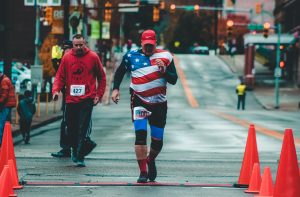
Don’t get me wrong, running a marathon, for anybody, is an amazing thing! No matter what you look like. It’s something I’ve done 8 times, and I remember them all. But none of them ever gave me the physique I thought I’d have as a result of the training.

Brett’s Bottom Line:
If you are just getting into exercising, are seriously out of shape, are very overweight, or recovering from some type of illness, then it certainly makes a lot of sense to use walking as your go-to. However, once your body gets used to steady-state activity, you should add in some interval training. This type of training will improve aerobic capacity faster than steady-state aerobics alone, it burns more calories after the activity is over, as well as helps to maintain lean muscle mass as you age.
If you’re over 50 and want help getting started on an exercise program to improve your longevity, send me an email. Let’s talk.