

In PART 1 of this article series, we identified that one of the reasons you struggle so much with flexibility and mobility is that you simply don’t move enough.
So step one toward improving how you move is to move more often. The starting point for this is 150 minutes of moderate intensity exercise (let’s call this cardio), performed inside or outside, walking, jogging, running, cycling, elliptical trainer, etc. Get the blood pumping to the extremities.

Why You Struggle With Golf
Remember in PART 1, I touched upon how much time you spend in chairs. For some of my clients, it’s been almost 7 decades.



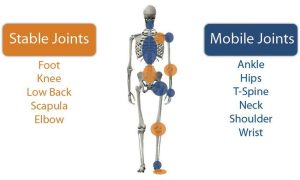
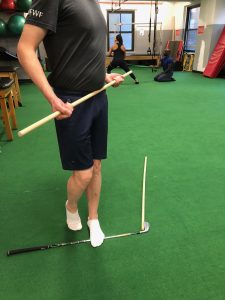
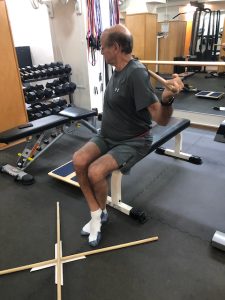
Too much time in the seated position WILL severely compromise the mobility (active range of motion) in two key segments in your body, absolutely necessary for good golf. Those two segments are your hips and thoracic spine.
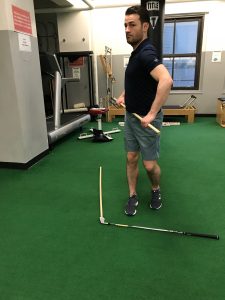
Hip Mobility Test Above
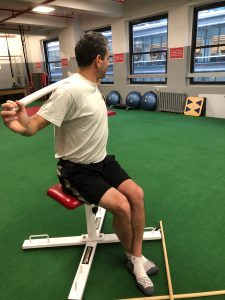
Thoracic Rotation Test Above
The first things we need to do to improve mobility at these two segments are to roll and stretch.
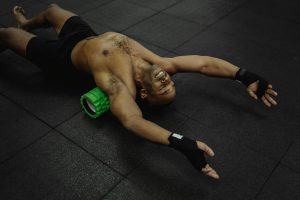
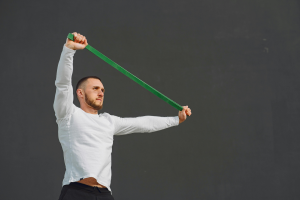
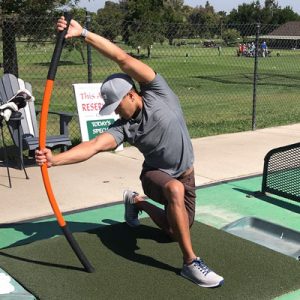
The above images are just a sample of what you will need to do for the upper body.
Rolling
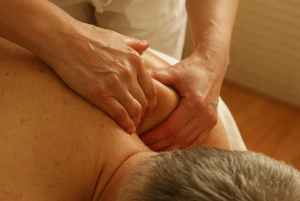
Commonly referred to as “foam rolling“, self-myofascial release techniques help to:
- Increase blood flow to the affected area.
- Reduces pain by temporarily distracting the nervous system.
- Helps to initiate the recovery process.
- Gives us a window of opportunity to stretch the body’s soft tissues (muscles and fascia).
Stretching
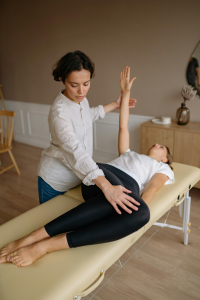
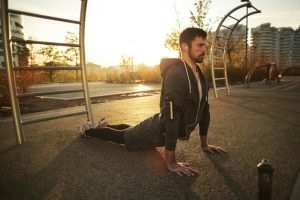
For now, the type or method of stretching I’m referring to is static stretching. We use static stretching (positions held for 30 seconds to 3 minutes), once again, to allow the soft tissue to lengthen.
Key areas we need to stretch in the upper body are going to be the:
- Lats (back)
- Pecs (chest)
- QLO (sides)
- Neck

There are two more steps we need to take to achieve our golf fitness goals. We’ll take a look at those in PART 3 of this series.
Brett’s Bottom Line:
Rolling and stretching are going to be the starting point for you to improve mobility in the segments of the body discussed above. If you do not use these strategies and you ask your body to do things beyond its current capacities, it will tell you so in the following ways:
- Inconsistent ball striking
- Loss of power
- Complaints of pain or discomfort in the following areas: knees, low back, elbows, and neck.
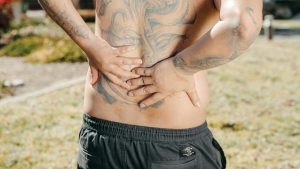
The cycle of pain is as follows:
- Physical limitations
- Movement compensations
- Joint and tissue irritations
- Joint and tissue inflammation
- Pain
- Injury
- Surgery
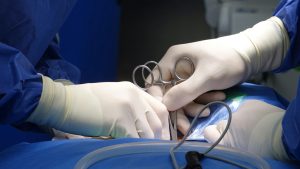
By the way, these do not improve joint mobility.

If you want some help, Feeling Better, Moving Better, and Playing Golf Better, drop me a line.
“I was struggling with my golf game when I decided to work with Brett. I felt unathletic and wasn’t seeing any improvement. After just a few weeks of training with him, my golf swing and overall physical condition have transformed. I now have a greater range of motion in my hips and back, and I no longer feel sore after playing a round. If you’re serious about golf and your health, I highly recommend Brett.” __Walter Baucom
Let’s get started.