Quick Rewind

In PART 1 of this series, I talked about some of the factors that cause you (the average amateur golfer) to struggle with golf.
Reason 1 is that you simply don’t move enough. Most of you are spending half of your day in a chair, which causes havoc on the body’s mobility capabilities.

You simply can’t move the way you need to, to play golf the way you want to.
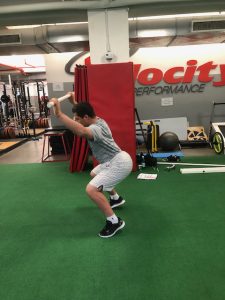
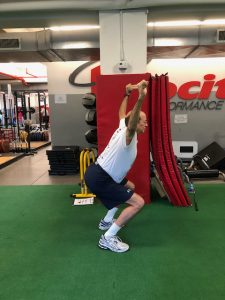
The overhead squat test looks at total body mobility from the ankles to the shoulders. What you are seeing is the same physical dysfunction in a 15-year-old and a 68-year-old golfer.
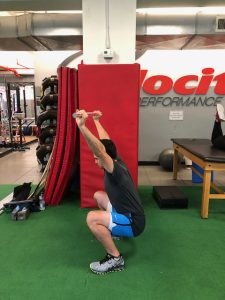
On the contrary, the golfer above passes the same screen, and he is a + handicap golfer.
In Part 2 of this series, I provided you with two strategies to help counteract this.
Strategy #1: Foam Rolling (every day)
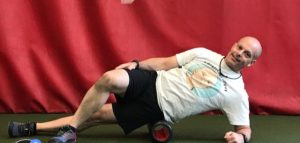
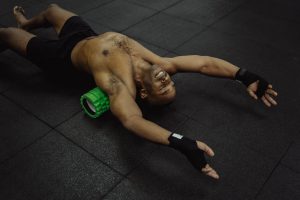
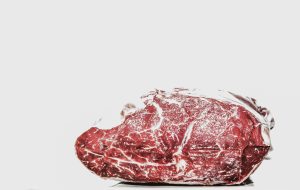
As mentioned in my most recent article, 6 Key Training Pillars to Stay Strong and Resilient As You Age, foam rolling, done regularly, will reduce tissue sensitivity, improve tissue elasticity, and help you feel better overall. The “tissue” I’m referring to is fascia.
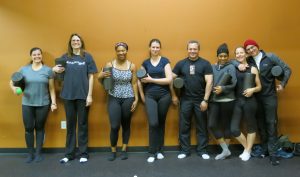
I can show you how to use a foam roller and cover your entire body in about 8 minutes. I’ve been doing this and teaching for a long, long time!
Strategy #2: Stretch (every day)
For now, we will focus on static stretching, also known as fascial stretching (ELDOA). Your body is so tight that you need to do this regularly to combat not moving enough, and having not moved enough, well, probably since you graduated college.
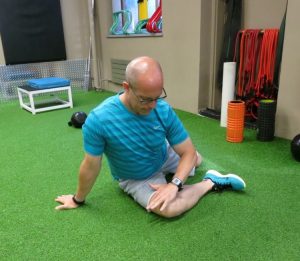
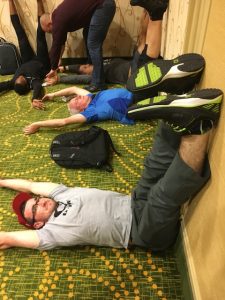
Steps 1 and 2 simply give us a window of opportunity to arrive at Step 3 (distract the joint).
Foam rolling hydrates our muscles and fascia, as well as relaxes the nervous system. Static and fascial stretching serve to unwind tight, restricted tissue that surrounds the joints of the body.
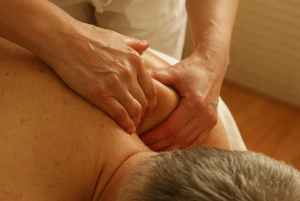
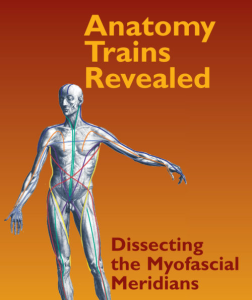
Those joints that need to be mobile are seen in this diagram.
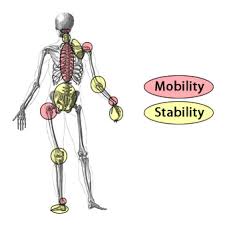
The major joints of focus are going to be:
- ankles
- hips
- thoracic spine
- shoulder (glenohumeral joint)
- upper cervical spine
Distracting the joints gives space to move them the way nature intended.
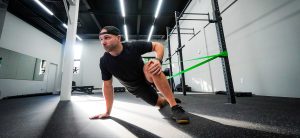
Sometimes we use the mechanical advantage of an outside force and a lever, as seen above.
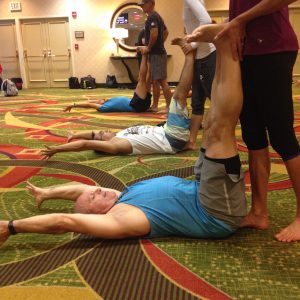
In other cases, we can use your own body to accomplish joint mobility, as seen is ELDOA L5-S1 exercise below.
Brett’s Bottom Line:
So far, I have covered the first 3 steps in improving how you move in relation to what is desired of a mechanically correct golf swing. We have: roll it, stretch it, and distract it. I don’t expect to turn you into a Scottie Sheffler overnight.

But I do expect real progress if you stick with these first three steps regularly. And to use that newfound movement capability in your golf swing, we still have work to do. We will cover more in step 4.
About the Author
Brett has been TPI Certified since 2010 and Fitness 3 certified since 2017.

Brett has also been RAD Golf Mobility Certified since 2018.