
I recently came across this YouTube video of someone’s morning routine, and realized much of what he does parallels what I do, so I decided to let you in on some of the things that, as the author of this video states, help you stay strong, healthy, and capable as you age.
Ask any lifestyle coach, and they’ll tell you that a successful morning starts the night before. In this article, I’ll be focusing on what I do after the alarm goes off.
My average bedtime is just before 10 pm, and my wake-up time is 6 am. This falls right into what I consider the ideal circadian cycles for most human beings.
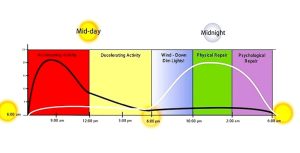
As the sun rises, our cortisol levels also rise and then peak between 6 am and 9 am. Then they drop a little but remain high throughout midday. In the late afternoon, cortisol levels begin to drop, especially after the sun goes down.

Anyone who’s lived in the northern hemisphere in winter understands what this feels like, as the skies begin to get dark as early as 4:30 pm.
If we follow our natural sleep/wake cycles, we should start winding down as the sun sets and should fall asleep by about 10 pm. This is when physical repair begins and lasts until approximately 2 am. After 2 am, the focus changes to psychogenic (mental) repair and lasts until we awaken.
Rehydrate

The first thing I do (besides a trip to the bathroom) is to drink at least 20 oz of water, with added electrolytes and a magnesium supplement.
During sleep, we lose water to the following physiological functions:
- Perspiration
- Respiration
- Urnination

Many holistic health practitioners recommend drinking as much as 25% of your daily water intake when you get up. Personally, I find that to be a bit much, and I’m good with two large glasses of room temperature water right out of bed.


I take my first magnesium supplement in the morning, as magnesium is one of the most important minerals for your body, and most of us are nutritionally deficient in this key mineral.
Take A Walk

“Walking is man’s best medicine.” – Hippocrates