
Quick Rewind

In PART 1 of this 2-part series, I covered the importance of a proper warm-up, which involved 3 distinct steps. We can sum that up with this statement.
Prepare To Play
Don’t waste the first 3 to 4 holes to get loose. Only to then complain about it later on. Learn the process. Practice the process. Play Golf Better.
OK, so now you’ve had the best round of your life. What do you do after you play? That will be the focus of PART 2.
Recover And Regenerate
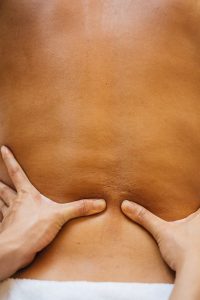
What does it mean to recover & regenerate?
“The repair of the body’s soft tissues (muscles and fascia) as well as the nervous system, from the stresses of hard exercise to restore the body to homeostasis.”
The lack of recovery is the limiting factor in performance.
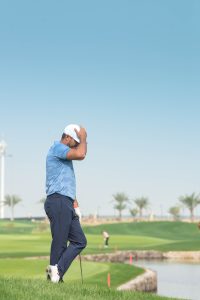
There Are Two Types of Recovery & Regeneration
Active Recovery requires some effort on your part. Passive Recovery does not. Both elements are equally as important as working out.
Passive Recovery Strategies
- Sleep
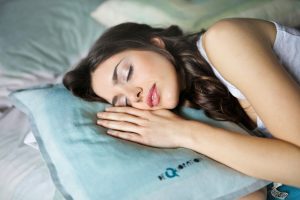
In general, aim for 7.5-8 hours/night. The longer you sleep, the longer you experience REM(rapid eye movement), a period marked by increased brain activity and muscle relaxation. When you’re getting enough sleep, you’re helping the recovery process!
- Ice/Hot & Cold Contrasts

When you do it immediately after a workout, ice baths or hot/cold contrast showers can help you stimulate muscle recovery with hardly any effort.
- Nutrition

Try to consume a meal that contains protein within 30-60 minutes of your training.
- Massage/Other methods of body-work or therapy
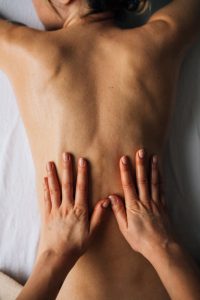
Benefits of massage include: release of trigger points, adhesions & scar tissue, relaxation, improved circulation, and relief of muscle tension.
Active Recovery Strategies
- Lower-intensity exercise.
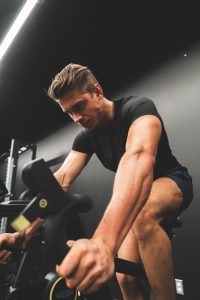
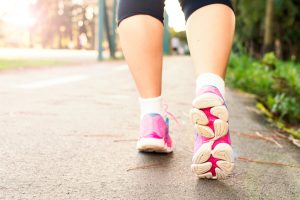
Light exercise (“low intensity”) increases circulation, pumping blood and nutrients into your muscles, helping to accelerate the recovery process.
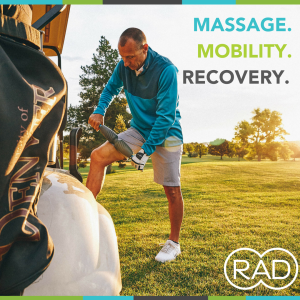
- Foam rolling/Self-Myofascial Release
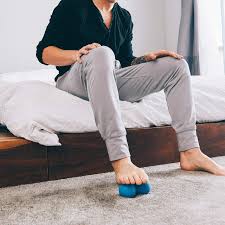
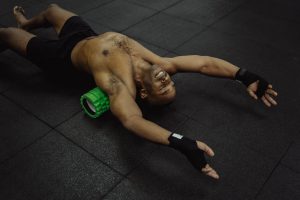
SMR helps fascia and muscles return to optimal levels of flexibility, strength and power.
- Stretching

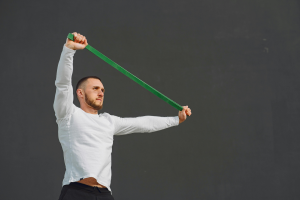
Stretching helps lengthen short or stiff muscles by reprogramming your muscles to a new range of motion, alleviating the aches and pains associated with training, and helping bring your body back to balance.
Rolling and stretching will help you maintain the mobility you need for golf.
Today, Things Are Different
Back in the day, the physio room at a golf tournament or Country Club was non-existent. Today, it’s an essential part of the sport.
Go to any PGA tournament, and you will see a trailer for training and medical. It’s just an essential part of the sport.
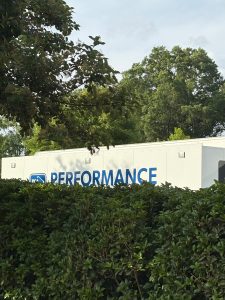
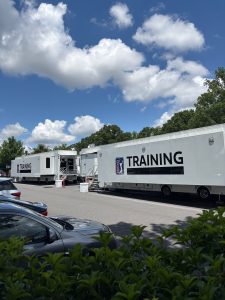
I took these photos myself at Qual Hollow Country Club.
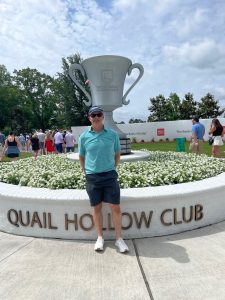
The medical trailer has massage therapists, physical therapists, and osteopathic physicians, all to help the players stay as healthy and injury-free as possible.
Not only do these people have medical degrees in their chosen profession, but most of them also have TPI Medical Certifications to help them optimize the performance of the golfers they are working with.

One-on-one coaching is available. Just click the link below.