
If you’re as old as I am, when you hear the phrase “Dynamic Duo,” you immediately think of the campy 60’s sitcom, Batman. The crime-fighting duo of Batman and Robin was the one-two punch of crime-fighting in Gotham City. See for yourself.
When it comes to fighting injury, the dynamic duo I call on is Rolling and Stretching.
Rolling
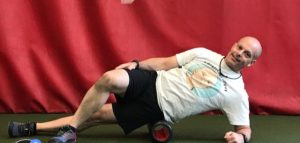
Rolling, commonly referred to as ‘foam rolling‘, is a way to warm up the body’s soft tissues (muscles and fascia).
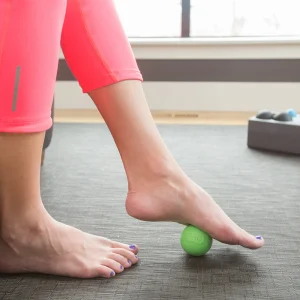
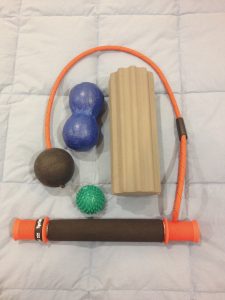
We use a variety of tools such as balls, sticks, and rollers to apply pressure to certain points on the body, which 1) hydrates the tissues, and 2) relaxes the nervous system. Thus giving us a window of opportunity to stretch that tissue more effectively.
What Is Fascia?
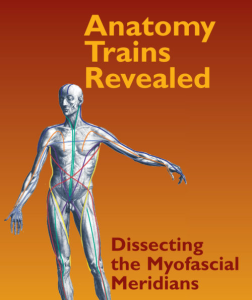
Fascia has been described as the 3D cobweb that holds everything together. “Muscles are the engine of movement, fascia is the medium of movement.” __Thomas Myers, author of Anatomy Trains.
If you want to improve movement, treat muscles and fascia as one.

In The Beginning
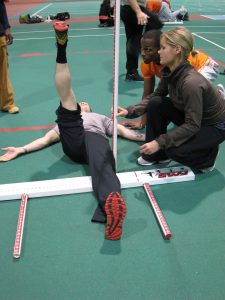
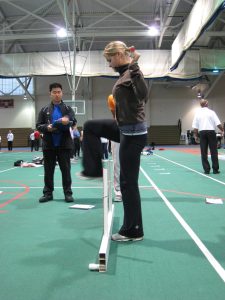
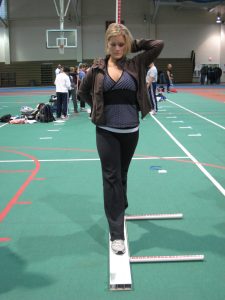
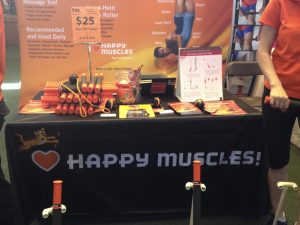
I first became aware of self-massage tools while attending a Functional Movement Systems seminar with Gray Cook, at the Reggie Lewis Center in Boston, MA, back in 2007. In the back of the lecture room was a table set up by the Perform Better Company, and on it was this interesting-looking stick, which was known as a Tiger’s Tail.
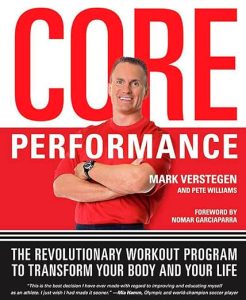
I bought one without truly understanding its purpose, but it felt good to use it. This followed in the footsteps of a pivotal fitness book that came out in 2004, called Core Performance, by Mark Verstegen. This was the first fitness book I saw that taught foam rolling as part of its regeneration protocols.
I soon adopted this practice and began teaching it to all of my general fitness training clients as well as putting it into my signature training program for runners called Ready To Run.

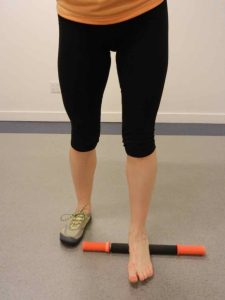
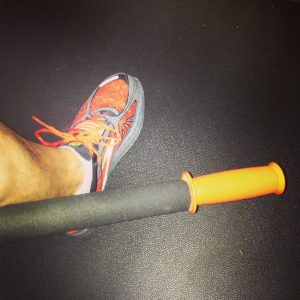
I would use the Tiger’s Tail as part of an active warm-up series for runners.
And the foam roller as a recovery & regeneration tool.
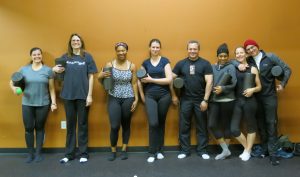
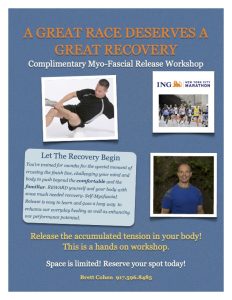
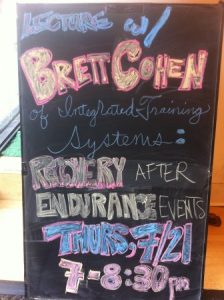
I used to teach endurance athletes how to use these tools all over NYC.
The Naysayers

There are a lot of anti-foam rolling people out there, particularly in the physical therapy community, who say that there’s no scientific evidence that foam rolling has any long-lasting effects or that it helps in preventing injuries. However, on the flip side, having taught these techniques to hundreds of athletes over the past 20+ years, I generally get the same response from them.
1) There is less discomfort to the muscles and fascia if you continue to use the tools and techniques in a relatively short period of time (about a week or so).
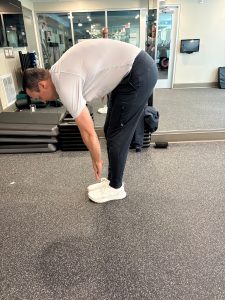
2) When paired with stretching, both static and dynamic, no one ever said they didn’t feel better as a result. And I always see improvements in overall mobility.
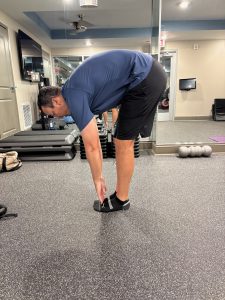
I’ve never had someone who’s been exposed to foam rolling not continue to do it once they learn how and when to apply the techniques. Quite the opposite, they wonder how they ever lived without it!
Stretching
Much of the same can be said for stretching. First of all, not all stretches are created equal. There are many different kinds of stretching, but I’m going to put them all into two buckets:
1) Static or Isolated Stretching
2) Dynamic or Multi-Segmental Stretching.
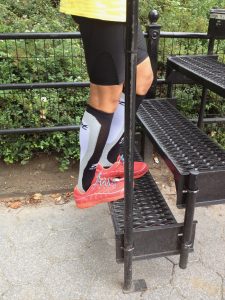
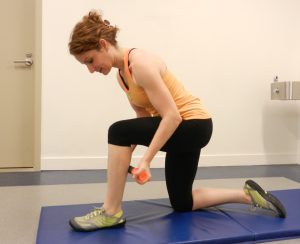
Static Calf Stretch Above
Dynamic Calf Stretch Below
- Static stretching isolates individual muscles and holds that muscle for an extended period of time. When the stretch is released, the nervous system will not know how to integrate the new length into movement patterns.
- Active stretching also lengthens fascial trains and helps to improve joint range of motion, as well as preparing the nervous system for activity.
If you are going to be active, as in going for a run or getting ready for 18 holes of golf, I would not recommend static stretching to prepare your body for performance, UNLESS you add in an active stretch series as a bridge to activity.
Active stretching precedes activity.
As with foam rolling, there is a lack of scientific evidence that stretching prevents injuries, but a lack of evidence that it does, is not the same as evidence that it doesn’t. I’ve been rolling and stretching for 20 + years, and unlike many men my age, I still have all my original parts. I can run a 5K every weekend, go to the range and hit 100 golf balls, lift weights at the gym, and wake up without pain or discomfort. I attribute a lot of that to the Dynamic Duo.
Brett’s Bottom Line:
Think of rolling and stretching just like you would flossing and brushing (the dynamic duo of dental care). You floss and brush every day as part of a long-term strategy to prevent gum disease and tooth decay.

When I train my athletes, we always roll & stretch. It’s the first two ingredients in the recipe for success. Whether you are trying to improve mobility, recover from activity, or lay the foundation for other aspects of fitness, we always start with the Dynamic Duo. It’s crucial for improving your game and preventing injuries, and it will enhance your performance on the course, on the road, and with your activities of daily living.
Let’s Get Started.- Email me to schedule your complimentary consultation. info@golffitnesscharlotte.com